Dining
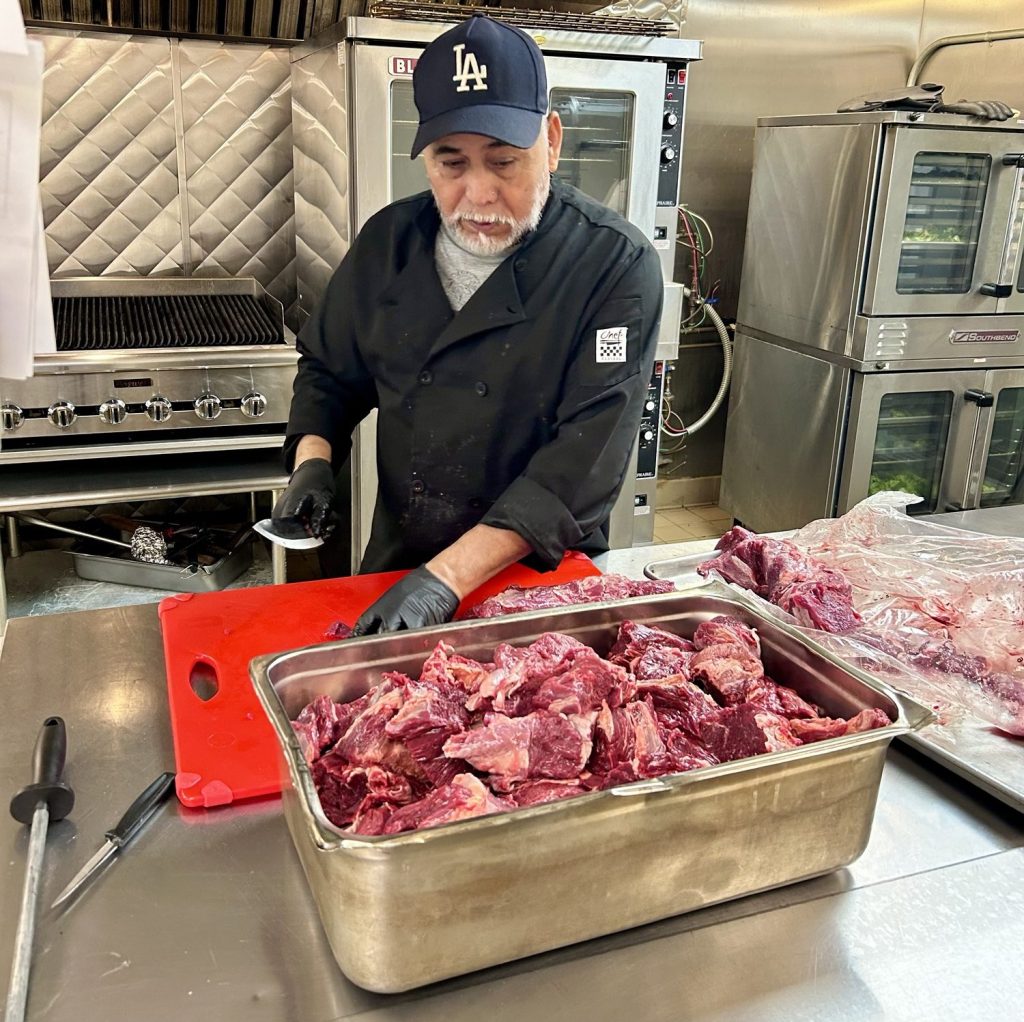
How the sausage gets made: Going behind the scenes at Meals on Wheels
By Emily Tran
Advertisement · Why this ad?
Linda Nguyen, a recent graduate from the University of Illinois Urbana-Champaign with a degree in Environmental Studies, is passionate about sustainability issues in the Evanston area. She worked as a freelance writer for local environmental nonprofits before joining Evanston Current.
More from Linda →
On Thursday, the shelves where THC drinks were sold at Binny’s Beverage Depot on Chicago Avenue were empty, a stark visual representation of a significant shift in Illinois’ retail landscape. Customers had cleared out the remaining product in the preceding days, anticipating the implementation of a new state law. The same scene played out at Lucky Platter’s pantry store, signaling a widespread impact across Evanston and the broader state. The law, formally known as the Illinois Hemp Act, now classifies any beverage containing more than 0.4 milligrams of THC per container as cannabis, requiring sales to be channeled exclusively through businesses licensed under Illinois’ existing cannabis regulations – a move with considerable economic and social implications for the community.
The emergence of THC-infused beverages in Illinois was remarkably swift. Capitalizing on the 2018 Farm Bill’s legalization of hemp (containing less than 0.3% THC), entrepreneurs quickly developed and marketed a range of drinks containing THC derived from hemp. These products, often marketed with enticing flavors and branding, rapidly gained popularity, particularly among younger consumers. However, this rapid growth occurred largely outside the purview of existing regulations, leading to a patchwork of practices concerning age verification, product labeling, and overall consumer safety. Evanston, with its progressive reputation and diverse population, became a hub for these products, finding a place in local businesses alongside traditional alcoholic beverages.
The Illinois Department of Agriculture’s Division of Cannabis Regulation flagged several critical issues contributing to the need for regulation. These included misleading marketing practices that often obscured the potency and effects of the drinks, inconsistent age verification procedures that raised concerns about underage access, and a general lack of oversight regarding product quality and safety. The state's action reflects a broader national trend as regulators grapple with the complexities of hemp-derived products following the 2018 Farm Bill.
Governor JB Pritzker’s signing of the bill into law was accompanied by a statement emphasizing consumer protection. “Instead of letting an ambiguous marketplace keep putting people at risk, Illinois is taking action to protect consumers of all ages, especially children, from misleading packaging and labeling,” he stated. This sentiment resonated with lawmakers concerned about the potential health risks associated with unregulated THC consumption, particularly among young people. The move also reflects a broader political conversation surrounding the legalization of cannabis and the need to balance individual freedoms with public safety concerns.
The legal framework underpinning the Illinois Hemp Act is complex. Senate Bill 3222 establishes the regulatory framework, outlining penalties for unlicensed sales. Businesses caught selling cannabis without a license face civil penalties of up to $10,000 per offense, with each day of violation counting as a separate incident. Furthermore, the Cannabis Control Act provides for even more severe criminal penalties, ranging from Class B misdemeanors to Class X felonies, accompanied by fines up to $200,000, depending on the quantity involved. The potential for significant legal repercussions underscores the seriousness with which the state is treating the enforcement of this new law.
The immediate impact on Evanston businesses has been palpable. At Binny’s Beverage Depot, manager Shawn described a “rush” on Wednesday as customers attempted to purchase the remaining stock. The store’s subsequent inability to restock has left a void in its product offerings. Lucky Platter owner Derek Gaspar articulated a nuanced perspective, acknowledging the profitability of the THC drinks while also supporting the regulatory change. “I selfishly like it because I like to make money,” he admitted, “I don’t drink alcohol either but I’ll sell it.” However, he added, “If we’re really honest about what’s going on, we’re starting to see the downside of legalization… We can’t regulate it for drivers, there’s no breathalyzer.” Gaspar’s comments highlight the complex trade-offs businesses face when balancing financial gains with ethical and safety considerations.
Other Evanston retailers shared similar concerns. Chris Patel, manager of Hops & Grapes, lamented the financial loss resulting from the law, noting that the drinks accounted for a “decent amount of sales.” Diana Hamann, owner of The Wine Goddess, expressed disappointment, emphasizing the role these drinks played in catering to customers who abstain from alcohol. “We loved selling them because as people age a lot of people stop drinking for health reasons,” she said. Hamann’s observation underscores the broader social function these products served – providing an alternative for those seeking relaxation and enjoyment without consuming alcohol.
The Illinois Healthy Alternatives Association, representing approximately 250 hemp companies employing over 5,000 people, has filed a federal lawsuit challenging the constitutionality of the law. The lawsuit argues that the law unfairly targets hemp-derived products and infringes upon the rights of businesses to operate legally under federal law. The state’s agreement to temporarily halt enforcement against the plaintiffs, pending the outcome of the lawsuit, provides a brief reprieve for those businesses, but the long-term legal landscape remains uncertain. This legal challenge highlights the ongoing tension between state and federal regulations concerning hemp and cannabis products.
Adding another layer of complexity, a new federal definition of hemp, capping finished hemp products at 0.4 milligrams of total THC per container, will take effect on December 11th. This aligns with the Illinois law but could create further regulatory hurdles for businesses in the future. The warning from the 2024 California Department of Public Health regarding THC soda cans containing significantly higher levels of THC (5 or 10 milligrams) serves as a stark reminder of the potential for mislabeling and consumer confusion within the industry.
While the temporary enforcement pause benefits businesses involved in the lawsuit, the overall impact of the Illinois Hemp Act is undeniable. Several Evanston retailers had already proactively adjusted their practices to comply with the law before Thursday, demonstrating a willingness to adapt to the changing regulatory environment. The long-term consequences for local businesses, particularly smaller enterprises reliant on THC drink sales, remain to be seen. The financial impact on distributors like Marz, who heavily invested in THC-infused beverages, is also a significant concern.
The Evanston Police Department’s response to the law's implementation remains unclear, as questions regarding enforcement responsibilities and the prevalence of underage sales have yet to be addressed publicly. The community should closely monitor the department’s actions and any reported incidents related to the new regulations.
Moving forward, we encourage residents to engage with local government officials, participate in community discussions, and support businesses adapting to these changes. The long-term success of this regulatory shift hinges on a collaborative approach that prioritizes both public health and economic vitality. We will continue to monitor the legal proceedings, track the impact on local businesses, and provide updates as this story unfolds.
By Emily Tran

By Carlos Ramirez

By Nick Martinez

By Emily Tran